Green Gulch Zen Center: Short and Long Term Goals
International Travel Programs
Medium Term: 10 years
As a future project Green Gulch can implement a global expatriate program where the men, women, families, children, and wide spectrum of visitors can travel to for either short or long term programs to the countries of India, China, and Japan. These three regions specifically were original sites for Zen and Buddhist practitioners. Individuals will have the choice and opportunity to visit with a local Buddhist monk or practitioner of some sort. Visitors of Green Gulch who decide to participate in the program will receive first hand accounts of indigenous cultures and the people who maintain and preserve a collective way of life, Zen Buddhism. These Zen travelers will have the opportunity to be paired with individuals in these three sites. In order to create an enriching experience families and/or individuals, prior to departing, will be required to fill out a detailed pre-survey questionnaire in order to better pair them to similar individuals in the host country. Lastly those who participate in this global program will be recommended to live in a monastery and have a designated “host” family look after them.
This project will take a lot of work and planning to get it off of the ground. In the first five years, relationships need to be established with host countries since this project relies on ongoing international relationships. The next five years will consist of maintaining the previously established relationships and actually having participants travel and stay in the host countries. If the program proves to be successful in the long term (25 years), it can be extended globally and not only focusing on the countries where Buddhism originated.
On-site Museum Installation
This would involve establishing a museum collection on site, for visitors to view. Collections could be rotated by seasons: in summer, perhaps there would be a collection of photographs taken when the Zen Center was opened – along with stories from those who were involved in transforming the Wheelwright Farm into the Green Gulch Zen Center. Potential projects might be a community-made documentary with photographs and videos, as well as recorded audio from those involved. Another possible installation would be the pre-1940 history of the area: the Miwok people’s history in the area, as well as the history of land use as a Spanish ranch. Finally, an installation about the history of Zen Buddhism would attract a number of different audiences.
Instead of repurposing one of the existing buildings at Green Gulch, we prepose the construction of a new building. In line with the value of sustainability, Green Gulch may make use of new sustainable building materials and techniques. This project would also allow for residents and visitors of Green Gulch to get involved. With the planning and supervision of a few skilled project managers, anyone who wants to be involved in the construction of the new building may do so, much like in instance of Habitat for Humanity. The first five years of this project would include researching new sustainable building techniques and materials to ascertain which would work best for the site, as well as the planning and fundraising that is necessary to make this idea a reality. The second five years would include the actual organizing of the exhibits themselves, such as obtaining materials and creating a cohesive narrative that aids in their display. The newly constructed building may also accommodate the future nature center (see below).
Nature Center
Establishing a nature center on site – perhaps further past the farms, to encourage visitors to hike and explore the property and to provide a destination between the Zen Center and Muir Beach. The Nature Center would serve as a liaison between the Zen Center and the National Park Service, in coordinating projects to conserve the wildlife that calls Green Gulch home. This would be a great place for children and families – as the nature center would provide “nature guides” which illustrate and describe the various indigenous plants and animals in the surrounding area. Donations to the nature center would not only help fund projects such as creek bed restoration (a project designed to improve the survival chances of coho salmon in the area), but also bring financial support to the Zen Center, which currently funds conservation projects.
The nature center, much like the museum, will need a space to live. This project is on the ten year plan for that reason With the proper planning a building can be commissioned to accommodate both the nature center and museum. After the building has been constructed the nature center itself may be organized.
Digital Archives
Long Term: 25 years
We plan to create a digital archive of historical documents, photographs, video and lecture materials for Green Gulch Zen Center. Available online, this archive would serve to reach a number of different audiences; students and scholars might be interested in accessing the digital texts and lectures; out-of-town visitors might want to get a sense of the place before traveling to visit it; prospective guests would have access to resources such as the “Day in the Life of a Monk” program – which would be detailed in the archive. Additionally, children and families interested in participating in the proposed school curriculum would be able to find information and testimonials from past participants. This archive would be readily available to visitors online.
Green Gulch Zen Center: Community
According to the Green Gulch website, the center has a strong relationship with community involvement. On Sundays they have a public program for a five-dollar donation. It includes Meditation, Dharma talk, tea, lecture and lunch. They also offer an assisted hearing program if necessary. Additionally, they have carpooling options for people without reliable transportation. They are open to all ages because they have children’s activities. It relates to the idea of “place attachment,” because the participation of both the monks and the broader community in Sunday activities creates social cohesion and a shared Zen Buddhist identity.
The visiting of Green Gulch fosters a spiritual curiosity among the community. It also is very important to the Monks that already practice there. They have a volunteer program, which creates more involvement for people get religious enrichment. The next community involvement opportunity is for people to be a “volunteer Sangha.” As a volunteer, a person can participate more regularly. Volunteers can help with work in the morning of any weekday and then stay for lunch. The possible volunteer activities include, farm work, gardening, helping with the watershed work party, kitchen work, muffin making, general maintenance, Sunday program and kids activities.
The historic value of green gulch steams from the history of western Zen Buddhism in the 1970’s. The sustainable agriculture practices developed at Green Gulch contributed to the sustainable farming significance throughout the Bay Area. The educational value is also important in historical heritage. At Green Gulch, the education grows from both the study of Zen Practice and the agricultural knowledge. Residents and Visitors of Green Gulch can learn from the historical Zen teachings and specific skills like gardening, tea ceremonies, silent meals and meditation.
The Cultural value discusses core elements of culture such as ideas, and habits. The Green Gulch center caters to a vast audience by offering cultural activities for all ages and Zen experience levels. Specific children’s activities include ritual arts and meditation on the first Sunday of each month. Also there is a coming of age group for 7th and 8th graders. It is an educational program and discussion for young adults.
Part of Aesthetic Value is the opportunity for community to enjoy staying at Green Gulch as a guest. Guests have a beautiful, peaceful room and three vegetarian meals. They have access to the library, hiking trails, meditation rooms and tea ceremonies. There are also work shifts in which guest can come to work for the morning and participate in morning Zazan. Meals are silent the first ten minutes.
Green Gulch Zen Center: Key Players (Stakeholders)
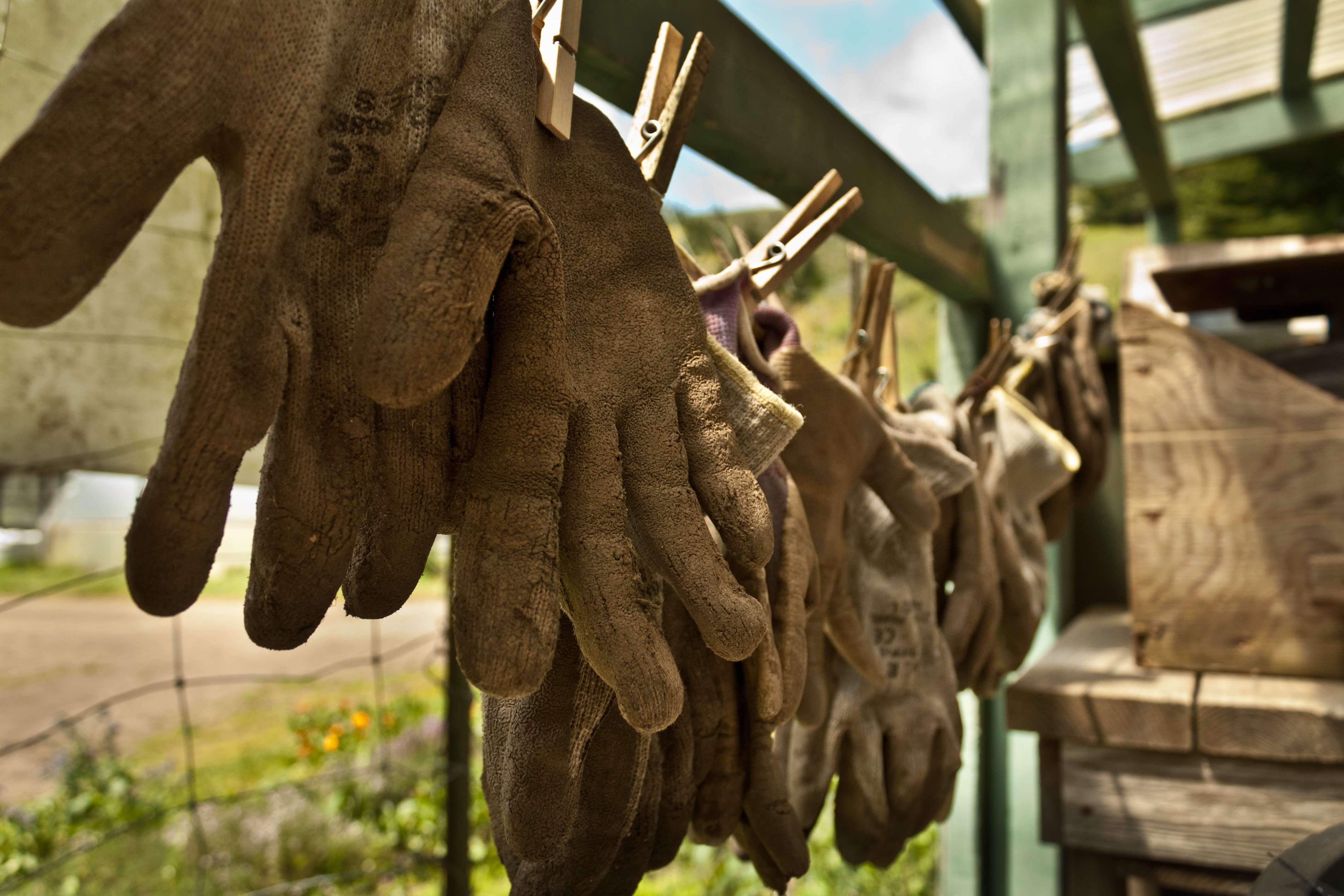 In assessing the community contribution of Green Gulch, the key Stakeholders include: Green Gulch owners, resident monks, community visitors, practicing volunteers, surrounding Marin County residents, Marin County policy makers, and Native Americans who originally occupied the land. Green Gulch is privately owned, but it still affects the surrounding areas. Classifying stakeholders into “insiders and outsiders” the outsiders are the community visitors , Native Americans and Marin Community. The insiders who have the power over choices are Marin Government, Green Gulch owners and the resident Monks.
Green Gulch Zen Center: History and Modern Context
History

Modern Context
Green Gulch Zen Center: Local and Global Tourism

Local Tourism will allow the residents, visitors, and affiliates of Green Gulch the opportunity to visit local neighborhoods and communities that possess cultural remembrance of the original people of the Buddhist and Zen religion. Such an exposure allows for greater understanding of Buddhist practitioners. Local sites of tangible and intangible heritage are seen in local neighborhoods that surround Green Gulch. The perpetuity of Green Gulch relies in its members’ outreach with the greater local Bay Area neighborhoods along with practicing Buddhist communities. We have concluded that while Green Gulch is part of a counter culture it cannot be said that they are completely separated from popular culture because they have the option to interact with a greater American culture when they leave their farm-like community. Through this movement, Green Gulch members will extend conversations of past cultures to contemporary settlements. For instance, the theme of food offers one way in which these interactions can be made. Green Gulch community members can visit Bay Area neighborhoods to sample the rich cultural food options, and in return, Green Gulch members can observe the way in which local restaurants obtain their groceries and can even consult restaurants owners of sustainable food options.
Our proposed Global Tourism Program creates a travel program for people to visit international countries to further their exploration of Zen Buddhism. This program is a full immersion program in the Zen customs. It also will help create a larger tourism base for international guests at Green Gulch.
Green Gulch Zen Center: Koan Competition
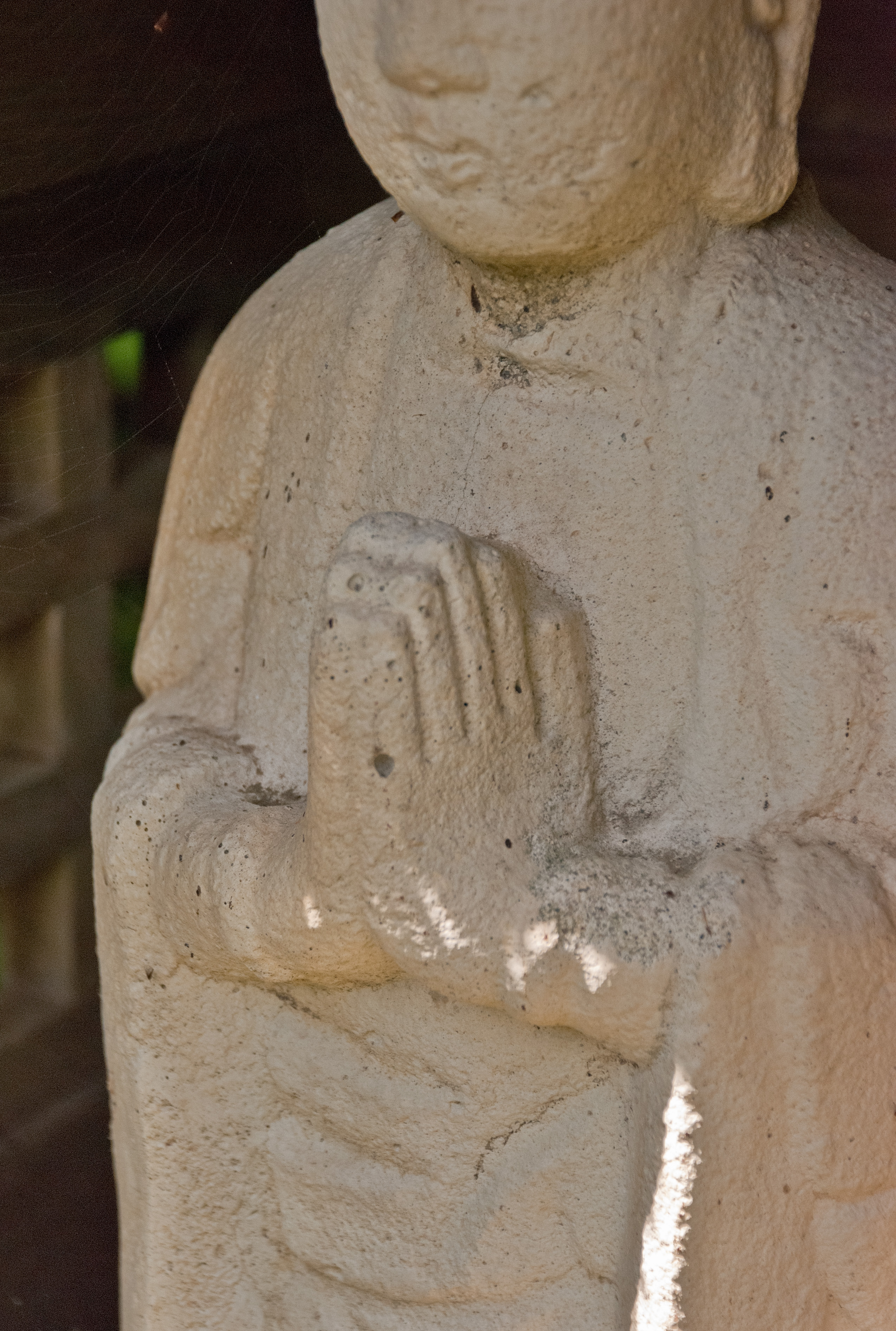
Green Gulch already has workshops revolving around the koans, but our intention is to take koan use one-step further. Our plan involves a monthly competition that is open to all. The competition will consist of the reading of a random koan at the beginning followed by an hour or two of zazen, seated meditation, which then will be followed by the construction and recitation of a koan commentary and verse, like those found in the well known and used commentaries. The Roshi, or Zen Master, will judge the competition. In this competition, community building, spirituality and history of Zen are some of the themes addressed. Koans are passages of Buddhist text. The competition will entail people to discuss the meaning of the statements. It creates a conversation between participants.
Green Gulch Zen Center: K-8 Community Education Program

One audience that we would like to bring into the Green Gulch Zen Center community is the children of the San Francisco Bay Area, particularly children in urban environments. Subjected to increased academic pressures, standardized testing and technological overloads, children living in urban environments are receiving less time for experiencing nature, practicing mindfulness and, frankly, just being kids. We are proposing to create a curriculum for elementary school children in the Bay Area which would teach them about a number of aspects of life at Green Gulch – including meditation, organic gardening, environmental preservation and Native American history. As 4th grade is typically designated for a curriculum around California history, this would be the ideal time to incorporate our proposed curriculum into their learning. This curriculum would be taught in the spring in the months leading up to summer vacation – and would span across academic subjects.
(1) Five Wounds Church: Background

Five Wounds in the Early 20th Century (Date Unkown). Courtesy of Portuguese Historical Museum
History :
Located at 1375 East Santa Clara Street in San Jose, CA (just off U.S. Highway 101) the Portuguese National Church of Five Wounds are the heart and soul of Little Portugal. On November 16, 1913, Portuguese residence of San Jose purchased the land to what became the site of Five Wounds. However, it was not until 1914 that the parish was created. In collaboration with Mr. Manuel Teixeira de Frietas, the Portuguese community asked Archbishop Patrick Riordan for the blessing to build a church. The blessing was given and in 1914 “we opened the house that today is the parish residence and the first bazaar in benefit of the church.” But in 1915, through a petition signed by the Portuguese residence of San Jose, the Archdiocese of San Francisco officially approved the parish as the National Church of Portuguese of Five Wounds. Timber and wood from the Portuguese Pavilion that was in display in the Panama Pacific International Exposition in San Francisco in 1915 was used to build the church. The building material, which was brought over from Portugal to build the Portuguese Pavilion, was transported by wagon through the Camino Real. On the 15th of November “Msgr. Henrique A. Ribeiro celebrated the first mass as pastor of the new parish.”
Modern Context :
Since its creation, Five Wounds has been an integral part of the Portuguese community. Although historically Five Wounds has been able to sustain dedicated pastors bilingual in both English and Portuguese who been willing to work with the community, during the 21st century the church has not been able to host a pastor that stays longer than two years. In early 2011, the church announced that the current Pastor Rev W. D. Morgan will be stepping down from his duties at Five Wounds because he feels like the Portuguese community is unhappy with his leadership. Currently, the church is experiencing a lack Portuguese culture; a decline in bilingual mass and community participation has caused the church to rethink its leadership. However, the community continues to support the church financially and hope for a better one.

National Portuguese Church of Five Wounds
SEE CHURCH OF THE FIVE WOUNDS HERITAGE, REVITALIZATION AND SUSTAINABILITY PROPOSAL
Five Wounds Church Inteperative Plan
(2) Five Wounds Church: Key Players (Stake Holders)

Clergy Members: Key players of Five Wounds (Date is Unkown). Courtesy of Portuguese Historical Museum
The Plan addresses key players and interest groups, both obvious and inconspicuous, from immediate community members to “memory” community members surrounding Five Wounds in order to recognize and respect their stake in the Plan. Overall, the Plan has an opportunity to institute a variety of engaging activities that may keep current stakeholders as well as attract new ones to the church. This would, in the long run, keep the spirit of Five Wounds alive and promote a perpetuation of the culture within Little Portugal. The development of events and activities considered in the modern contexts, when applied to concerns of key players, may result in an enhancement of cultural experiences, a win-win type of situation. The follow were identified as stakeholders of Five Wounds:
- The clergy, and especially the priest’s influence and involvement in the church are directly correlated to the future growth and development of the church
- Portuguese Community in San Jose (not including the younger generation): Due to the historical implications, the Portuguese community developed a deep personal value towards the church.
- Vatican Church: The Vatican’s, having the most at stake in Five Wounds Church includes tangible and intangible items. The church being part of a larger and powerful organization, the Vatican is the top leader for catholic churches worldwide.
- Diocese of San Jose: The diocese of San Jose is under the direction of the Vatican. The Vatican appoints leaders to the diocese and that leadership decides what is best for the churches in the district of the diocese of San Jose. This branch of leadership decides the decisions of the church; recently, the diocese decided to rent out the school house adjacent to the church to a private organization.
- Younger Portuguese Generation: their stake is having the church available to them once they grow older. In other worlds, the preservation of the Portuguese heritage in the church is at stake.
- Local Businesses: their stake is economic. Businesses in Little Portugal benefits economically by church goers getting .
- The Vietnamese community in San Jose also utilizes the church on Wednesdays and Saturday nights for mass.
- Portuguese Band: Bands use the space to promote Portuguese heritage through their music.
- St. Isabel Kitchen uses the space to feed needy families. This organization is supported by Five Wounds.
- Needy Families: Families that are in need of food look to Five wounds Church for help. Located to the building adjacent to the church, families are able to attend the kitchen of Santa Isabel for free food; no questions asked.
- Daycare: the current tenant occupying the space that was once the school of Five Wounds is a private daycare. The daycare pays a monthly rent to diocese of San Jose.

Portuguese Bakery located in Little Portugal. Many church goers get their pastries after mass.
(3) Five Wounds Church: Appraisal-Significance of Place

Beautiful alter inside Five Wounds shows the aesthetic value
Upon assessing the environment that surrounds the Five Wounds Church, it is evident that maintenance of the plants, grass, and trees is significant to the value of the Site. The first significance of place at Five Wounds is thus a threat to the church. There is little or no management from the Comity that addresses the needs of the trees, plants and grass which give Five Wounds church one of its most defining and distinguishing appearances
To properly appraise the value of the Site within the church, it cannot be ignored that there is a decline in the attendance, especially attendance at the sermons held in English. It is a result, the clergy and people say, of the decline of masses held in traditional Portuguese. This is because the decline of masses held in Portuguese does not reduce the number of masses held total; rather they are given in English. When this happens, the cultural stakes are compromised and the logic of the people is sound: Why go to Five Wounds when there are closer churches to my house which also serve in English? People used to come to church at Five Wounds because its sermons were held in the traditional Portuguese; its decline has resulted in less attendance overall.
The appraisal of value of the physical church building of Five Wounds necessarily takes into account many details. There are pews facing a head altar, statues of saints, and a podium from which Father Morgan delivers his sermons. What value can be appraised from a common church setting such as this? There is that forgotten organ which looms high behind the eyes of the church goers. One of only three on the West coast, this rare organ is an overlooked value. Unfortunately, the building codes which dictate the use of the balcony on which the organ rests, restricts access to any group of people. There must be an entrance and exit path in the case of a natural hazard; currently there is only one of the two required exits.
The process of physical appraisal then turns to two other features: the sound system and the stained glass windows. First, the sound system symbolizes the inefficiency of the Comity’s organizational structure and consequent allocation of church funds. The intended increase in volume turned out to be an increase in garble and noise to the eardrums of those attendees sitting in the back. As eventually discovered, this systems has no capability to delay sound between speakers – a critical function not in every speaker set up, but deadly in this one. Without the sound delay, the speakers overlapped the projections of sound, turning it into an incomprehensible distraction and annoyance. The protection and conservation of the stained glass windows are another piece of the appraisal puzzle which does not receive much attention. While quite beautiful and expensive, there is no information about the images captured in them available to the public. To the regular churchgoer, these windows depict the story of the Bible and may be easily recognizable. But to the causal church visitor, the windows remain a quite mystery.

Stain glass window displaying a picture of Five Wounds. This is significant for the Church


 Who Owns the Past? Cultural Heritage in the Digital Age